Garden Design and Build in Turnhamgreen
If you are looking for garden design and build in Turnhamgreen, you are probably after more than just planting a few shrubs or laying a patio. Many local homeowners and businesses want an outdoor space that suits the way they live, works with the property they already have, and feels well considered from day one. Whether you have a compact rear garden off a terraced home, a larger family plot, or a commercial frontage that needs a cleaner, more welcoming finish, a thoughtful design-and-build service can turn a difficult outdoor area into a practical and attractive space.
Turnham Green and the surrounding part of West London bring their own challenges and opportunities. Tight access, side returns, shared boundaries, period homes, basement light wells, mature trees, and mixed-use streets all influence what can be achieved. A local team that understands these details can help you make better choices on layout, materials, drainage, planting, and finishes. The result is a garden that looks good, feels usable, and suits everyday life rather than one that simply looks impressive on paper.
From the first ideas to the final planting, a full garden design and build service is about joining the creative side with the practical side. It means planning the space properly, preparing the site carefully, and building each element so it lasts. If you are ready to improve your outside space, contact us today to discuss your ideas and request a free quote.
What garden design and build means for Turnhamgreen properties

Garden design and build is a joined-up service that takes your project from concept through to completion. Instead of hiring different trades separately and trying to coordinate the sequence yourself, you work with one team that can shape the layout, manage the construction, and complete the planting and finishing details in a way that makes sense for the whole site.
In Turnham Green, this approach is especially useful because many properties have limited working space, narrow access, or established boundaries that require careful planning. A good design team will look at how sunlight moves across the garden, how the ground drains after rainfall, where storage or seating could fit, and how the outside space connects to the house. That might involve a family garden behind a Victorian terrace, a private courtyard near the station area, or a front setting for a local office, studio, or clinic.
Design and build services are also valuable because they avoid the common problem of beautiful plans that are not practical to construct. A layout may look appealing, but it also needs realistic levels, manageable maintenance, durable materials, and sensible access for workers and deliveries. With the right team, those practical matters are addressed from the outset rather than becoming expensive changes halfway through the job.
Why local knowledge matters in Turnham Green

Choosing a local company for garden design and build in Turnhamgreen can make a noticeable difference. Local knowledge helps with everything from planning how materials are brought in to choosing planting that suits nearby conditions. Streets in and around Turnham Green often include older homes, converted buildings, mews-style access routes, and properties with limited rear entry. A team that already works in the area is more likely to anticipate these issues and plan accordingly.
Access and parking are often practical concerns on local residential roads. Deliveries may need to be organised carefully, materials may need to be moved in smaller loads, and work sequencing has to be efficient to reduce disruption to neighbours and residents. For commercial customers, the timing may also need to fit around business hours, customer footfall, or opening schedules. Local experience helps keep the process smooth and realistic.
There is also an advantage in understanding the local style of properties and gardens. Turnham Green includes a mix of period houses, modern conversions, apartments with terraces, and business premises with frontage spaces. A well-designed garden should complement the building, not compete with it. That may mean using soft planting to balance brick façades, choosing materials that suit the age of the home, or creating clean, low-maintenance finishes for busy professionals and landlords.
Types of garden projects we help with
Every outdoor space has different needs, and not every client wants the same kind of garden. Some want a place for entertaining, some need a safe family area, and some are looking for a smart, low-maintenance setting that will stay neat with minimal effort. A flexible garden design and build service can support all of these aims.
Common project types in and around Turnham Green include rear garden redesigns, courtyard transformations, front garden improvements, roof terraces, planting schemes, and practical upgrades such as new paths or drainage. We also support businesses that need outdoor presentation areas, accessible entrances, or seating spaces that improve the feel of the property.
Whatever the scope, the aim is to create an outdoor environment that feels intentional and easy to use. That means thinking about how people move through the space, where they will sit, how much maintenance they are comfortable with, and what seasonal interest they want throughout the year.
Residential garden design and build
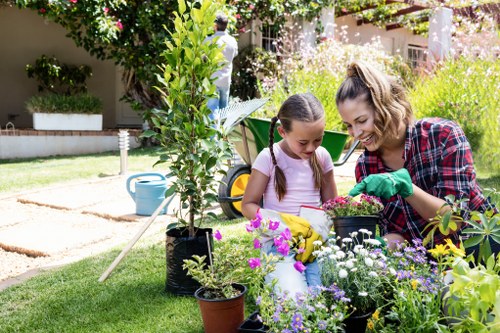
For homeowners, the garden often needs to do several jobs at once. It may need to entertain guests, give children space to play, provide room for planting, and still remain practical for day-to-day use. This is where careful planning becomes important. A well-designed domestic garden can make a modest plot feel larger, more private, and more cohesive.
In Turnham Green, many residential gardens benefit from better zoning. That might mean dividing the area into a dining terrace, a soft planting border, a lawn or artificial turf section, and a quiet corner for seating. In smaller gardens, the focus may be on making the space feel open and uncluttered while still allowing for storage and easy movement. The key is to use every square metre wisely without making the garden feel crowded.
For family homes, durability matters just as much as style. Surfaces should be easy to clean, planting should be suitable for regular use, and edges, steps, and levels should be built with safety and accessibility in mind. A good build team will also think about lighting, screening, and maintenance so that the finished garden remains appealing long after the project is complete.
Commercial outdoor spaces

Commercial clients in Turnham Green may need a garden or external area that looks professional and remains manageable. Offices, hospitality venues, health and wellness practices, schools, and community buildings often benefit from outdoor spaces that feel welcoming and organised. A tidy, well-designed exterior can improve first impressions and create a more pleasant setting for staff, customers, and visitors.
Commercial design and build projects often require a practical approach. Surfaces may need to cope with heavier foot traffic, planting may need to be robust and low-maintenance, and access routes may need to stay open during works. Timing, safety, and neat site management matter just as much as appearance. For businesses close to busy streets or shared entrances, the build phase should be planned to reduce interruption and keep the property looking respectable throughout.
Depending on the site, the work might include planters, seating areas, boundary treatment, paving, decorative planting, privacy screening, or simple improvements that refresh an entrance. The right solution depends on the property and how the space is used, rather than on a one-size-fits-all formula.
What is included in a garden design and build service?
Clients often want to know exactly what is included before starting. While every project is different, a full garden design and build service normally includes several key stages. The benefit of a joined-up approach is that these stages connect properly, allowing the project to move forward with fewer delays and fewer avoidable changes.
Typical inclusions may cover an initial consultation, site assessment, design concepts, material selection, ground preparation, hard landscaping, planting, and finishing details. Some projects may also involve drainage solutions, lighting, fencing, storage, or bespoke features such as raised beds, built-in seating, pergolas, or retaining structures. If existing features need removing, that may also be part of the early work.
Below is a practical overview of what a well-run project often involves:
- Site visit and discussion of your aims
- Assessment of light, access, levels, and drainage
- Layout ideas that fit the property and budget
- Selection of suitable materials and planting styles
- Preparation and clearance work
- Construction of hard landscaping features
- Installation of planting and soft landscaping
- Final detailing, tidy-up, and handover
How the process works

Most customers want a simple process that feels organised from the start. A professional garden design and build team will usually begin by visiting the site, discussing how you want to use the space, and identifying any practical limitations. This is the stage where you can talk through your preferences for style, materials, maintenance level, privacy, and how the garden should connect to the house or building.
After that, the design stage turns your ideas into a workable plan. This may involve sketches, layouts, material suggestions, and planting concepts. The purpose is not just to make the garden look attractive, but to ensure the layout suits the property, the site conditions, and the way you plan to use it. If the plot is awkwardly shaped or small, the design stage is especially valuable because it can solve problems before any digging begins.
Once the design is agreed, the build stage can begin. This normally includes site preparation, removal of unwanted features, setting levels, installing structures or surfaces, and completing planting at the right stage. A careful team will sequence the work to keep disruption under control and ensure each part is finished properly before moving to the next. The final result should feel coherent rather than pieced together.
Materials and features that work well in local gardens
Turnham Green gardens often benefit from materials that balance appearance with practical performance. Since many local spaces are used frequently and may need to cope with damp weather, foot traffic, and limited sunlight, durability is important. The right material choices can also help a garden feel more spacious and more in keeping with the property style.
Popular features may include natural stone, porcelain paving, brickwork, gravel, timber or composite decking, rendered planters, metal edging, and layered planting. Each has its own strengths. For example, porcelain is often chosen for a crisp, contemporary look and easy cleaning, while brick and natural stone can suit period homes beautifully. Gravel can work well for drainage and a softer texture, while planting can add movement, colour, and privacy.
Features that are often useful in this area include:
- Seating areas for entertaining or relaxing
- Raised beds for structure and easier planting
- Privacy screening for overlooked gardens
- Low-maintenance planting for busy households
- Lighting for evening use and safety
- Steps and level changes designed for safe movement
- Drainage improvements in gardens that hold water
Choosing the right mix of materials matters because the best garden is not just attractive on the day it is completed; it should continue to work well through changing seasons and regular use.
Practical considerations before work begins
Before any garden design and build project starts, it is sensible to think through a few practical points. This helps the work run more smoothly and ensures the finished garden supports your routine. In Turnham Green, where access can be tighter than in suburban locations, planning ahead is especially useful.
It helps to think about access for workers and materials, where waste can be stored, how neighbours may be affected, and whether any existing features need to stay in place during the works. If you have pets, children, or limited access to your outdoor space, these details should be mentioned early. Commercial customers should also consider opening hours, customer access, and whether any areas need to remain operational during the build.
A few helpful preparation points include:
- Decide how you want to use the garden day to day
- Identify any features you want to keep
- Note drainage issues, shade, or overlooked areas
- Think about privacy, storage, and maintenance needs
- Discuss access routes and parking limitations
- Agree how the space will be used during the works
Pricing factors to consider
People often ask what affects the cost of a garden design and build project. While exact figures depend on the site and the specification, several factors influence the overall budget. Understanding these helps you compare proposals fairly and decide where to prioritise spend.
The main pricing factors usually include garden size, site access, level changes, material choices, complexity of the design, drainage requirements, and the amount of preparation needed before construction can begin. A simple tidy-up or planting refresh will naturally differ from a full redesign involving new paving, retaining walls, raised beds, lighting, and bespoke joinery.
In a local area like Turnham Green, access can also affect labour time and logistics. Narrow entrances, limited parking, and the need for careful material handling may all influence the work involved. The most helpful quote is one that clearly explains what is included, what assumptions are being made, and where optional extras may arise. That gives you a realistic picture and helps prevent surprises later.
Why choose a local company for garden design and build in Turnhamgreen
A local company can offer practical advantages that make the project easier from the first conversation to the final handover. Because the team works in the area, they are more likely to understand the kinds of homes, gardens, and access conditions that are common around Turnham Green. That familiarity can save time and reduce the chance of avoidable issues.
Local teams are also useful when you want a service that feels personal and responsive. Garden projects often evolve as they progress, especially when the existing site is uncovered and the true levels or drainage conditions become clearer. A nearby team can be easier to coordinate with and better placed to adapt the plan if something needs refining during the works.
For many customers, the biggest benefit is simple peace of mind. Instead of dealing with separate designers, landscapers, and installers, you have one joined-up team taking responsibility for the whole result. That means the layout, materials, planting, and finish all work together. It is a more efficient way to create an outdoor space that feels designed for the property rather than fitted in as an afterthought.
Areas covered around Turnham Green
When people enquire about garden design and build in Turnhamgreen, they often want to know whether nearby locations are also covered. Local projects are often carried out across surrounding residential and mixed-use areas where the same kinds of garden challenges appear: compact plots, older boundaries, shared access, and the need for thoughtful finishes.
Nearby areas may include stretches of Chiswick, Gunnersbury, Hammersmith, Acton, and other neighbouring parts of West London where domestic and commercial outdoor spaces need upgrading. If your property sits close to Turnham Green itself, or you are just a short distance away, a local team can usually assess the site and advise on the best way forward.
This regional knowledge matters because the work is rarely just about the garden itself. It often involves streetside access, neighbour relations, timing, waste handling, and a practical understanding of how to work in built-up London locations. That is especially helpful when the site has limited side access or needs careful coordination with the occupants.
Frequently asked questions
Customers often have similar questions before they decide to start a garden project. The answers below can help you understand what to expect and whether a full design-and-build service is the right fit for your property.
Do I need a full design if I already know what I want?
Not always, but a design stage is still useful even when you have a clear idea. It helps confirm that the layout will work in practice, that the materials suit the space, and that the build can be completed efficiently. This is especially helpful in smaller or more complex gardens where every detail matters.
How long does a garden project take?
Timelines vary depending on the size of the space, the amount of preparation needed, and the complexity of the works. A small refresh may move quickly, while a full redesign with hard landscaping, drainage, and planting will naturally take longer. The design and planning stages also affect the overall timeframe.
Can you work in gardens with difficult access?
Yes, many local gardens have access challenges, and this is something an experienced team should plan for. Materials may need to be brought in differently, and the build may need to be sequenced carefully. Good planning makes a big difference in built-up areas like Turnham Green.
What if my garden has poor drainage?
Drainage problems are common in urban gardens and should be addressed as part of the project rather than ignored. Depending on the site, solutions may include adjusting levels, improving sub-base preparation, introducing permeable materials, or redesigning planting areas to cope better with water movement.
Is the service suitable for small gardens and courtyards?
Absolutely. Small gardens often benefit the most from good design because space has to be used efficiently. A skilled team can make a compact area feel brighter, more organised, and more useful without overcrowding it.
Can you help with low-maintenance designs?
Yes. Many customers want a garden that looks great without demanding constant attention. That can be achieved through smart material choices, resilient planting, simple shapes, and reduced lawn areas. A low-maintenance design should still feel attractive and welcoming.
How to prepare for your project
Preparation does not need to be complicated, but a little thought in advance can help the project start well. If you are planning garden design and build work in Turnhamgreen, it helps to gather photos, ideas, and a rough sense of what you want the space to achieve. You do not need to have every detail worked out; an experienced team can help shape the final plan.
It is also useful to consider your preferred level of upkeep, any storage needs, and whether the garden should feel private, open, family-friendly, formal, or relaxed. If there are existing features you dislike, such as a tired patio or awkward planting beds, make a note of those too. The more clearly you can explain what is and is not working, the easier it is to propose a solution that fits.
Book your service now if you are ready to improve your outdoor space, or request a free quote if you want to explore the possibilities before deciding. A well-planned garden can make a real difference to how your property feels and functions every day.
Simple next steps
To move forward confidently, think about the following:
- What would make the space more useful?
- Do you want a modern or traditional feel?
- How much maintenance are you happy to do?
- Are there access or parking constraints to mention?
- Do you need planting, paving, seating, or privacy features?
A final word for local customers
Whether you are improving a family garden, redesigning a courtyard, or refreshing a commercial frontage, garden design and build in Turnhamgreen should feel straightforward, practical, and tailored to the property. A local, experienced team can help you make sensible decisions, avoid common site issues, and create an outdoor space that looks considered from every angle. If you are planning a change and want a professional result, contact us today and start the conversation.