Soft landscaping in Turnhamgreen
If you are looking to improve an outdoor space in a way that feels natural, practical, and well suited to local homes and businesses, soft landscaping in Turnhamgreen can make a big difference. It is the part of landscaping that brings life, texture, colour, and seasonal interest into a garden or commercial setting. Unlike hard landscaping, which focuses on paths, paving, walls, and structural features, soft landscaping is all about the living elements: turf, planting, soil improvement, beds, borders, hedges, shrubs, small trees, and the finishing touches that help a space look cared for and work better day to day.
In and around Turnhamgreen, many properties have compact front gardens, mature rear gardens, shared access, courtyard spaces, and mixed-use outdoor areas that need a thoughtful approach. A well planned planting scheme can soften fences and walls, increase privacy, improve curb appeal, and make a garden easier to enjoy throughout the year. Whether you want a fresh new look for a family garden, a tidy planting plan for a rental property, or reliable upkeep for a business frontage, local soft landscaping services can be shaped around the space you actually have.
What makes a local service useful is the practical understanding of the area itself. Turnhamgreen homes often need careful access planning, considerate working methods, and plant choices that suit London conditions. Gardens can be shaded by neighbouring properties or mature trees, street parking can be limited, and many customers need a service that works neatly and efficiently without disrupting daily life. That is where a local team can really help: by creating outdoor spaces that are attractive, manageable, and appropriate for the property type.
What soft landscaping means for Turnhamgreen properties

Soft landscaping covers all the living and soil-based parts of an outdoor space. It usually begins with assessing what is already there, what needs removing or reshaping, and how the garden or frontage should function in the long term. For some customers, that means a full garden refresh after building work. For others, it means improving tired borders, re-turfing patchy lawns, or redesigning planting to bring structure and seasonal colour back into the space.
In Turnhamgreen, this work often needs to balance looks with practicality. A small back garden may need planting that stays tidy and does not overwhelm the space. A larger family garden may need zones for play, seating, and easier maintenance. A commercial courtyard, office entrance, or shared residential area may need durable planting that still feels welcoming. The right approach is not just about choosing attractive plants; it is about selecting materials, soil treatments, and layouts that support the way the space is used.
Good soft landscaping also supports long-term garden health. Healthy soil, appropriate mulch, well-chosen planting, and correct spacing all help reduce future problems. It is often the difference between a garden that looks good for a season and one that remains easy to enjoy for years. Soft landscaping in Turnhamgreen should therefore be practical, visually balanced, and suited to the local environment rather than copied from a one-size-fits-all design.
Typical soft landscaping services available locally
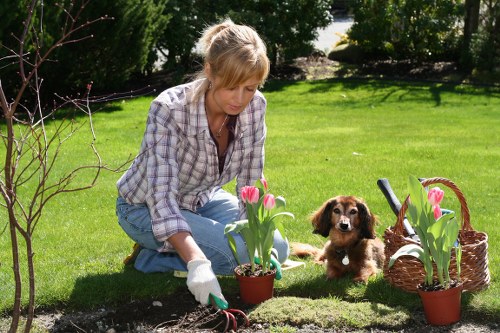
Most customers want to know what is actually included when they enquire about soft landscaping. The exact service can be tailored to the property, but common work usually includes a combination of preparation, planting, and finishing. This flexibility is especially valuable in Turnhamgreen, where gardens can vary a great deal from one street to the next.
Common services may include:
- Soil preparation to improve drainage, structure, and plant health
- Turfing and lawn renovation for patchy, uneven, or tired grassed areas
- Planting beds and borders with shrubs, perennials, grasses, and seasonal colour
- Hedge planting and shaping for screening and definition
- Small tree and specimen planting to add height and focal points
- Mulching to retain moisture and tidy the finish
- Garden bed redefinition to sharpen edges and improve layout
- Garden clearance and replanting following overgrowth or renovation work
These tasks can be combined depending on your aims. For example, a front garden may need new planting, a fresh lawn, and a neat mulch finish to improve street appearance. A rear garden might need all of that plus more privacy planting and a low-maintenance layout that works around patios or existing hard landscaping. A local team can adapt the job to suit the site rather than forcing the site to fit a standard package.
Many customers also ask for help with replacing plants that never really thrived in the space. This is especially common where gardens are shaded, exposed, or affected by poor soil conditions. By choosing suitable species and improving the ground first, the results tend to be more reliable and more attractive. Thoughtful plant selection matters just as much as good planting technique.
Why Turnhamgreen gardens need a tailored approach

Turnhamgreen has a mixture of property styles and outdoor spaces, from period homes with mature gardens to apartments with compact courtyards and shared outside areas. That variety means soft landscaping needs to be adapted carefully. A good result depends on understanding not just what looks nice, but what will work in a specific setting over time.
One common local challenge is access. Some gardens can only be reached through narrow side passages or shared hallways, which means materials and plants must be moved in a careful and organised way. Parking can also be limited, so planning the job in advance helps reduce disruption. In many streets, a tidy and efficient working method is as important as the final look, especially when the property is occupied or used by the public.
Another important factor is light and shelter. Many Turnhamgreen gardens are affected by nearby buildings, boundary walls, or mature trees. Some spaces are bright and open, while others are shaded for much of the day. Planting must reflect those conditions. Shade-loving plants, drought-tolerant species, and structural evergreens can all play a role, but they need to be chosen for the right place. A local soft landscaping service should respect the microclimate of the garden, not just the postcode.
There is also the matter of maintenance. Some customers want a lush, planting-rich garden and are happy to carry out regular care themselves. Others need low-maintenance solutions because they are busy, away often, or managing a rental or business property. The best layouts are designed with that reality in mind, using the right balance of planting density, bed size, and material selection. That way, the garden stays attractive without becoming a burden.
What a soft landscaping project usually includes

Every property is different, but a typical project follows a sensible process that helps the finished space look balanced and perform well. This process is especially useful for customers who want clarity before they commit, because it shows what happens at each stage and where decisions are made.
1. Site assessment and planning
The first step is to look at the existing space, discuss your goals, and identify any practical issues. These may include drainage, shade, access, existing soil quality, or areas where plants have failed before. This stage helps shape the planting plan and any groundwork needed before soft landscaping begins.
2. Clearance and preparation
Overgrown beds, old turf, unwanted shrubs, weeds, or tired planting may be removed. Soil can then be improved with compost, topsoil, or other suitable organic matter. Edges are defined, levels are checked, and the ground is readied for planting or turf installation.
3. Planting and installation
Chosen plants are placed according to the plan, taking into account spacing, height, colour, structure, and seasonal interest. Turf may be laid for a fresh lawn, or borders may be planted up in layers to create depth and texture. Supports, ties, and protection may be added where needed.
4. Finishing and tidying
Mulch, bark, decorative ground cover, or top dressing may be applied to complete the look and support plant health. The area is then tidied so it is ready to use. A neat finish is important because it helps the new planting stand out and gives the whole space a professional appearance.
For many customers, this process offers peace of mind. You know the work has been done in a logical order, with attention to the practical details that make a long-term difference. If you are considering a garden refresh, request a free quote and ask what approach would suit your property type and outdoor goals.
Planting ideas that work well in local gardens
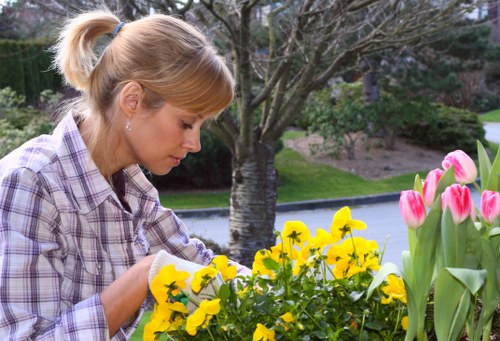
Choosing the right planting scheme can transform an outdoor area. In Turnhamgreen, many customers want planting that feels elegant, seasonal, and manageable rather than overly formal or high maintenance. The best choice depends on the amount of sun, the style of the property, the size of the beds, and how much upkeep the customer wants to carry out.
Popular options often include:
- Evergreen shrubs for year-round structure and privacy
- Perennials for colour and changing interest through the seasons
- Ornamental grasses for movement, texture, and a softer look
- Climbing plants for fences, trellises, and walls
- Shade-tolerant plants for enclosed or north-facing spaces
- Drought-tolerant planting for sunnier, drier positions
- Pollinator-friendly planting to encourage wildlife and add seasonal activity
For front gardens, many people want planting that looks tidy from the street and does not block windows or paths. In rear gardens, the brief may be more relaxed, with flowers, layered borders, and screening plants to create a more private atmosphere. Commercial settings often call for a different balance: attractive but robust planting that looks smart with minimal disruption.
It can also be useful to think about the garden in terms of layers. Taller plants at the back, medium-height plants in the middle, and lower ground-level planting at the front can create a fuller, more balanced look. This kind of structure helps a smaller garden feel organised rather than crowded, while larger spaces gain depth and flow. Good planting design should make the whole space feel intentional.
Seasonal interest matters
One of the main advantages of soft landscaping is the way it changes across the year. A well planned border can offer spring bulbs, summer flowers, autumn colour, and winter structure. That means your garden remains appealing even when one plant has finished flowering. Customers often appreciate this because it avoids the flat, empty look that can happen when a garden relies too heavily on a single type of planting.
If you are not sure what would suit your garden best, a local team can help match planting to your maintenance level and preferred style. Some customers want classic English garden character, while others prefer a cleaner contemporary look with bold structure and restrained colour. Both can work well in Turnhamgreen when they are designed with the site in mind.
Benefits of choosing a local soft landscaping team
A local team brings more than convenience. It brings familiarity with the practical realities of the area, the property types, and the day-to-day issues that can affect a project. This matters whether you own a family home, manage a rental, run a business, or look after a shared outdoor space.
Benefits often include:
- Better understanding of local garden conditions and typical access arrangements
- More practical scheduling around neighbourhood traffic and parking constraints
- Knowledge of plant choices that suit urban conditions and varying shade levels
- Cleaner, more efficient work in occupied residential or commercial settings
- Flexibility to adapt the scope of work if your garden needs change during the project
Local customers also often value direct, practical communication. When you are planning soft landscaping, you may want to discuss how the work will be carried out, what preparation is needed, and what the finished result will look like. A local service can usually respond with advice that is grounded in real experience rather than broad assumptions.
That is particularly helpful for properties close to busy roads, narrow mews-style access, shared courtyards, or densely built residential streets. The job needs to be done with care, and a team that understands those conditions is better placed to deliver a smooth experience. If you are ready to improve your outdoor space, contact us today to discuss the best option for your property.
Soft landscaping for different property types
Turnhamgreen includes a wide mix of domestic and commercial outdoor spaces, and each one has its own priorities. A good service should be able to work across those differences while still keeping the standards high.
Residential gardens
For homeowners, soft landscaping can turn a tired garden into a space that feels calmer and more usable. This might involve new turf, reworked borders, screening planting for privacy, or a full refresh after construction work. Families often want durable planting that still looks attractive when children, pets, or regular use are part of daily life. Others are looking for a low-maintenance finish that suits a busy schedule.
Rental and managed properties
Landlords and property managers often need outdoor spaces to look presentable without demanding too much ongoing care. In these cases, neat, resilient planting and practical layout decisions are especially valuable. Soft landscaping can help improve first impressions for tenants while reducing future maintenance headaches.
Commercial premises
For shops, offices, clinics, hospitality spaces, and shared commercial entrances, planting often needs to be smart, consistent, and reliable. The right planting scheme can soften hard edges, improve the entrance experience, and support a professional image. In a local area like Turnhamgreen, where appearances matter and space may be limited, this can be a worthwhile investment.
Communal and shared areas
Shared courtyards, estate planting, and communal garden spaces need a particularly careful approach. The design must suit different users, remain clear and tidy, and avoid plants that quickly become unmanageable. Choosing the right mix of structure and softness helps these areas feel welcoming without creating extra work for residents or managers.
Pricing factors to consider
Customers often want an idea of what influences the cost of soft landscaping before they enquire. While exact pricing depends on the site, several factors usually affect the overall quotation.
- Size of the area — larger gardens or frontage areas take more materials and labour.
- Condition of the existing space — clearance, weed removal, and soil improvement can add time.
- Access and parking — difficult access may require extra planning and handling.
- Plant choices — mature plants, specialist species, or larger specimens generally cost more than smaller standard plants.
- Soil and drainage issues — poor conditions may need correction before planting can begin.
- Level of finish — decorative mulches, edging, and detailed border layouts can affect labour and materials.
- Ongoing maintenance needs — some customers request planting that is easier to maintain over time.
A clear quotation should explain what is included and what is not, so you can compare options fairly. It is also sensible to discuss whether you want a one-off transformation or a project that can be delivered in stages. In some cases, starting with soil preparation and layout improvement first can make later planting more successful.
If you are thinking about a project but are unsure how much to invest, it can help to prioritise the areas that matter most. For example, a front garden may need an immediate upgrade for curb appeal, while the rear garden can be developed over time. This staged approach can work well for many Turnhamgreen properties.
Preparation checklist before the work starts
Good preparation helps the project run smoothly and can reduce delays. While a local team will usually handle the main work, customers can help by making a few simple arrangements in advance.
- Clear access routes where possible, including side gates and paths
- Move fragile items, pots, or furniture if they could get in the way
- Decide which areas should be kept, altered, or removed
- Check whether any neighbours or building managers need notice of access
- Let the team know about pets, shared entrances, or restrictions on working hours
- Discuss watering, aftercare, or maintenance expectations before planting begins
For some Turnhamgreen homes, access planning is especially important because of narrow passageways or limited on-street parking. A few sensible preparations can make a big difference to efficiency and help protect the rest of the property during the work. It also makes it easier for the team to focus on the quality of the landscaping itself.
Once the work is complete, it is worth asking what care the new plants need in the first few weeks. Newly planted shrubs, borders, and turf often need the right watering and light maintenance to settle in properly. That early attention helps the planting establish well and keeps the space looking its best.
Areas covered around Turnhamgreen
Customers looking for soft landscaping in Turnhamgreen often also need help in nearby neighbourhoods and connected local streets. Work can usually be arranged across the surrounding area, including nearby parts of Chiswick, Gunnersbury, Hammersmith, Hounslow, and other West London residential and commercial locations. The exact scope depends on the property and the type of project, but a local service should be able to handle varied settings across the area.
This is useful because many customers do not live in exactly the same type of property. One job might be a neat terrace garden close to Turnham Green itself, while another might involve a larger private garden a short distance away, or a business frontage in a nearby commercial area. A flexible local team can adapt to those differences without overcomplicating the process.
If your outdoor space sits near busy roads, shared entrances, or tightly packed residential streets, it can help to use a service that already works in similar conditions. Local familiarity supports better planning, better timing, and fewer surprises on the day.
Frequently asked questions
How is soft landscaping different from hard landscaping?
Soft landscaping covers the living elements of the garden, such as plants, lawns, soil, hedges, and borders. Hard landscaping covers non-living features such as paving, decking, walls, fencing, and patios. Many outdoor projects use both, but soft landscaping is what gives the space life and seasonal change.
Can soft landscaping help a small garden feel larger?
Yes. Careful planting, clear edging, and layered design can make a compact garden feel more open and more organised. The trick is to avoid overcrowding and to use plants that suit the scale of the space. Even a small courtyard can feel much better with the right layout.
What if my garden is mostly shaded?
Shaded gardens are very common in built-up areas. They simply need the right planting choices. Shade-tolerant shrubs, woodland-style plants, and thoughtful soil improvement can make a huge difference. The key is to choose plants that will actually thrive in the conditions rather than forcing in unsuitable varieties.
How much maintenance will new planting need?
That depends on the design. Some customers prefer low-maintenance planting with evergreen structure and easy-care borders. Others want more flowers and are happy to spend time on upkeep. A good plan should match the time you realistically want to give the space.
Can you work around parking or access limitations?
Yes, but it needs planning. Limited parking and narrow access are common in Turnhamgreen and nearby streets. A local service can usually organise materials and timing in a way that reduces disruption and keeps the project moving efficiently.
Do I need to know exactly what plants I want?
No. Many customers know the general feel they want, such as private, colourful, formal, relaxed, or low-maintenance, but not the exact plant list. A good soft landscaping project can start with your preferences and then use suitable plant choices to bring them to life.
Ready to improve your outdoor space?
If your garden, frontage, or communal outdoor area is looking tired, overgrown, or simply not working the way you want, now is a good time to explore soft landscaping in Turnhamgreen. A well planned project can make your property feel brighter, more organised, and easier to enjoy without adding unnecessary complexity. It can also improve privacy, create better structure, and bring seasonal interest to spaces that may otherwise feel flat or underused.
Whether you need a small planting refresh, a full border redesign, a new lawn, or a soft landscaping plan for a residential or commercial property, the right local service can shape the work around your site and your goals. Request a free quote, ask about the best options for your space, and book your service now if you are ready to get started.
Contact us today to discuss your project and take the next step toward a more attractive and practical outdoor space in Turnhamgreen.